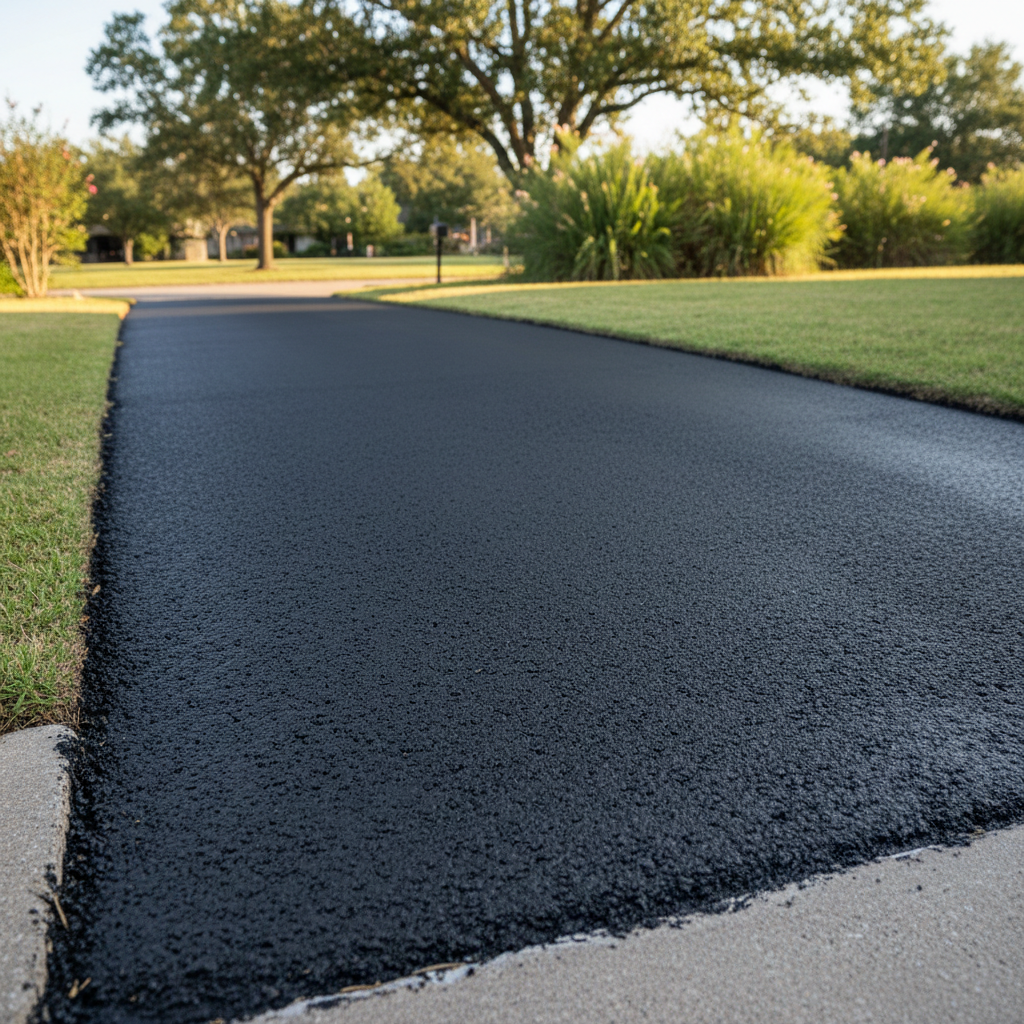
Alright, let's talk about slurry coating. You've probably seen it, maybe even wondered what it is. Basically, it's a protective layer you put on your asphalt driveway to make it last longer and look sharp. Think of it like a fresh coat of paint for your pavement, but with a lot more muscle behind it.
Now, can you do it yourself? Sometimes, sure. Is it always the best idea? Not necessarily. Let's break down what's involved so you can make a smart call for your San Marcos home.
What Exactly Is Slurry Coating?
Don't confuse slurry coating with basic sealcoating. Both protect your asphalt, but slurry is a thicker, tougher mix. It's usually an emulsion of asphalt, water, mineral fillers (like sand or slag), and polymers. This blend fills in small cracks and voids, brings back lost aggregate, and gives you a new, durable surface. It's designed to protect against UV rays, water getting in, and general wear and tear, which is a big deal with our intense Texas sun and those occasional heavy downpours.
It's definitely a step up from just a thin sealcoat. If your driveway has a lot of fine cracks, or the aggregate (those little stones) is starting to show through, a slurry coat might be exactly what it needs. It could get you a few more years out of it before you're looking at a full replacement, you know?
Before You Even Think About Starting
Preparation is everything. Seriously, you can't cut corners here. If you're going to try this yourself, plan to spend a full day, maybe even two, just on prep. Here's what you're looking at:
- Clean, Clean, Clean: Your driveway needs to be spotless. That means sweeping off all loose dirt, leaves, and debris. After that, you'll need to power wash it. Get rid of any oil stains, grease, or mildew. If you don't, the slurry won't stick right, and you'll have wasted your time and money.
- Patching First: Any major cracks or potholes need fixing *before* you put down slurry. Slurry isn't for filling anything bigger than hairline cracks. If you've got cracks wider than a quarter-inch, or any potholes, you need to fill those with a proper asphalt crack filler or cold patch material. Let those cure completely, just like the product instructions say.
- Edging and Protection: You'll want to tape off any concrete, brick, or landscaping you don't want coated. This stuff is messy, and you definitely don't want it on your nice stone border or your garage floor.
- Weather Watch: This is super important in San Marcos. You need at least 24-48 hours of dry weather, with temperatures consistently above 50°F and ideally not scorching hot. Putting it down in direct, blistering sun can make it cure too fast and crack, and rain will just wash it away. Check the forecast carefully.
The DIY Slurry Application: What It Takes
Okay, so you've prepped. Now for the fun part. You'll need to buy the slurry material, usually in 5-gallon buckets from a home improvement store. Make sure you get enough – usually, the coverage rates are listed on the bucket, but it's always better to have a little extra than to run out halfway through, right?
You'll also need:
- A large squeegee or asphalt broom for spreading.
- Stirring sticks or a paddle mixer for your drill (the stuff is thick).
- Gloves, old clothes, and maybe some knee pads.
Mix the slurry thoroughly. It's thick, so be ready for a workout. Then, pour a manageable amount onto your driveway and use the squeegee to spread it evenly in thin layers. Work in small sections, making sure to overlap slightly to avoid lines. The goal is an even, consistent coat. It's harder than it looks to get it perfectly smooth without streaks or puddles.
Then, you wait. And wait some more. It needs to cure. Don't drive on it for at least 24-48 hours, maybe longer if it's humid or cooler. Walking on it too soon can leave footprints.
When to Call Valley Paving Co. (Or Another Pro)
Look, I'm a local business owner, and I believe in empowering homeowners. But I'm also realistic. Slurry coating isn't like painting a wall. Here's when you really should pick up the phone and call us:
- Large Driveways: If you've got a long, winding driveway, especially one on a slope like you see in some of the hills around Spring Lake, doing it yourself is a monumental task. Keeping the consistency and evenness across a large area is incredibly difficult for one person.
- Significant Damage: If your driveway has extensive cracking, alligator cracking, or multiple potholes, it needs more than just a slurry coat. It might need extensive patching, crack filling, or even an overlay before slurry. A pro can assess the underlying issues and recommend the right approach.
- Uneven Surfaces: If your driveway has dips, humps, or drainage issues, a slurry coat won't fix that. In fact, it might even make it more noticeable. We can often address these issues before applying the coating.
- Time & Effort: Let's be honest, this is a dirty, physically demanding job. If you don't have the time, the tools, or the physical ability, it's worth paying someone who does this every day. We've got the specialized equipment, the right materials, and the crew to get it done efficiently and correctly.
- Guaranteed Results: When you hire a professional, you're paying for their expertise and, usually, a warranty on their work. If something goes wrong, they'll fix it. If you DIY and mess it up, you're out the money and the effort.
For smaller, well-maintained driveways with minimal damage, a DIY slurry coat can be a decent option if you're meticulous and patient. But for anything more complex, or if you just want a professional finish that will truly last against the San Marcos elements, calling in Valley Paving Co. is usually the smarter move. We'll give you an honest assessment and a fair price, so you know exactly what you're getting into.
After the Slurry Coat: Keeping It Looking Good
Once it's cured, you've got a fresh, dark, protected driveway. To keep it that way:
- Keep it Clean: Sweep off dirt and debris regularly.
- Address Spills Immediately: Oil, gas, or other chemicals can break down the asphalt. Clean them up quickly.
- Don't Drag Heavy Objects: Avoid dragging trash cans, heavy furniture, or anything with sharp edges that can scrape the surface.
- Reapply as Needed: A good slurry coat can last 3-5 years, depending on traffic and weather. Keep an eye on it and plan for reapplication when you start seeing signs of wear.
Ultimately, whether you DIY or hire a pro, a well-applied slurry coat can add years to your asphalt driveway's life and boost your home's curb appeal. Just make sure you understand the commitment involved.