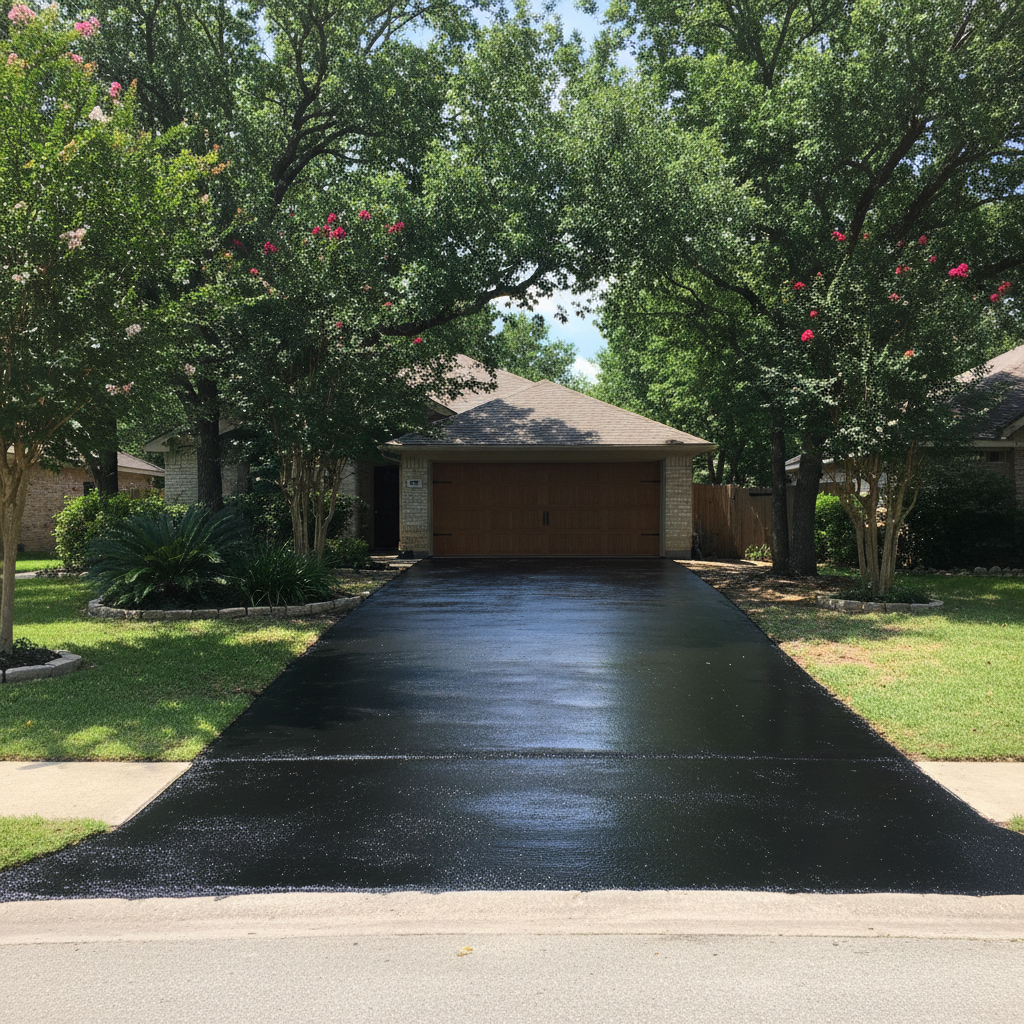
Thinking about sealcoating your driveway or parking lot? That's a smart move for protecting your asphalt, but I've seen folks around San Marcos make some real blunders that cost them time and money. You don't want to be one of them. Here's what you need to watch out for.
Mistake #1: Not Understanding What Sealcoating Actually Is (and Isn't)
A lot of people think sealcoating is a magic bullet for all asphalt problems. It's not. Sealcoating is a protective layer, like sunscreen for your driveway. It helps prevent oxidation from the sun, resists water penetration, and gives your asphalt that nice, dark, fresh look. What it doesn't do is fix major cracks, level uneven surfaces, or magically repair potholes. If you've got significant damage, you need repairs first – crack filling, patching, or even resurfacing. Trying to sealcoat over big cracks is like putting a band-aid on a broken arm; it just won't hold up. A good contractor will tell you this upfront and recommend necessary repairs before applying any sealer.
Mistake #2: Hiring the Cheapest Bid Without Asking Questions
I get it, everyone wants a good deal. But when it comes to asphalt work, the cheapest bid is often the most expensive in the long run. I've seen too many homeowners get burned by fly-by-night operations. These guys often use watered-down material, skip crucial prep steps, or just don't know what they're doing. You'll end up with a job that peels, fades, or cracks within months, and then you're paying someone else (like us at Valley Paving Co.) to fix it. Always ask:
- What kind of material do you use? (Coal tar emulsion or asphalt emulsion? What's the mix ratio?)
- How many coats will you apply? (Two thin coats are almost always better than one thick one.)
- What's your prep process? (Cleaning, edging, crack filling – these are vital.)
- Do you have references? (And actually call them!)
- Are you insured and licensed? (This protects you if something goes wrong.)
If they can't answer these questions clearly, or they're pressuring you for an immediate decision, that's a huge red flag.
Mistake #3: Ignoring the Weather and Curing Time
Sealcoating isn't something you can just slap down anytime. The weather plays a massive role in how well it cures and performs. Here in San Marcos, we get some serious heat and humidity. You can't sealcoat when it's too cold (below 50°F is generally a no-go), when it's about to rain, or when it's excessively humid, which can slow down drying. A good contractor will schedule your job for optimal conditions. Once it's applied, you absolutely have to respect the curing time. Most sealers need at least 24-48 hours before you can drive on them, sometimes longer depending on the product and conditions. Driving on it too soon will leave tire marks, scuffs, and can compromise the integrity of the coating, leading to premature failure. Be patient; it's worth it.
Mistake #4: Not Preparing Your Driveway Properly (or letting the contractor skip it)
The success of sealcoating is 90% in the preparation. I can't stress this enough. Before any sealer goes down, your asphalt needs to be spotless. That means sweeping, blowing off all debris, removing oil stains, and cleaning out any weeds or grass growing in cracks. If a contractor just shows up and starts spraying without a thorough cleaning, you're looking at a poor, short-lived job. The sealer won't adhere properly to dirt, oil, or loose aggregate. It'll peel, flake, and look terrible. Make sure they're using power blowers, brooms, and proper degreasers for oil spots. Don't let them cut corners here.
Mistake #5: Waiting Too Long Between Applications
Sealcoating isn't a one-and-done deal for the life of your driveway. It's a maintenance item. For most residential driveways, I recommend resealing every 2-3 years. If you wait too long, your asphalt starts to oxidize, fade, and crack. Then you're not just protecting it; you're trying to bring it back from the brink, which is more expensive and might require more extensive repairs before you can even sealcoat. Think of it like changing the oil in your car – regular maintenance keeps things running smoothly and prevents bigger problems down the road. Especially with our intense Texas sun beating down on driveways, like those in the older parts of San Marcos where the original asphalt might be getting a bit brittle, regular sealing is crucial.
Look, sealcoating is a great investment for your property. Just make sure you're doing it right. Ask questions, understand the process, and don't be afraid to walk away from a deal that feels too good to be true. Your driveway will thank you for it.