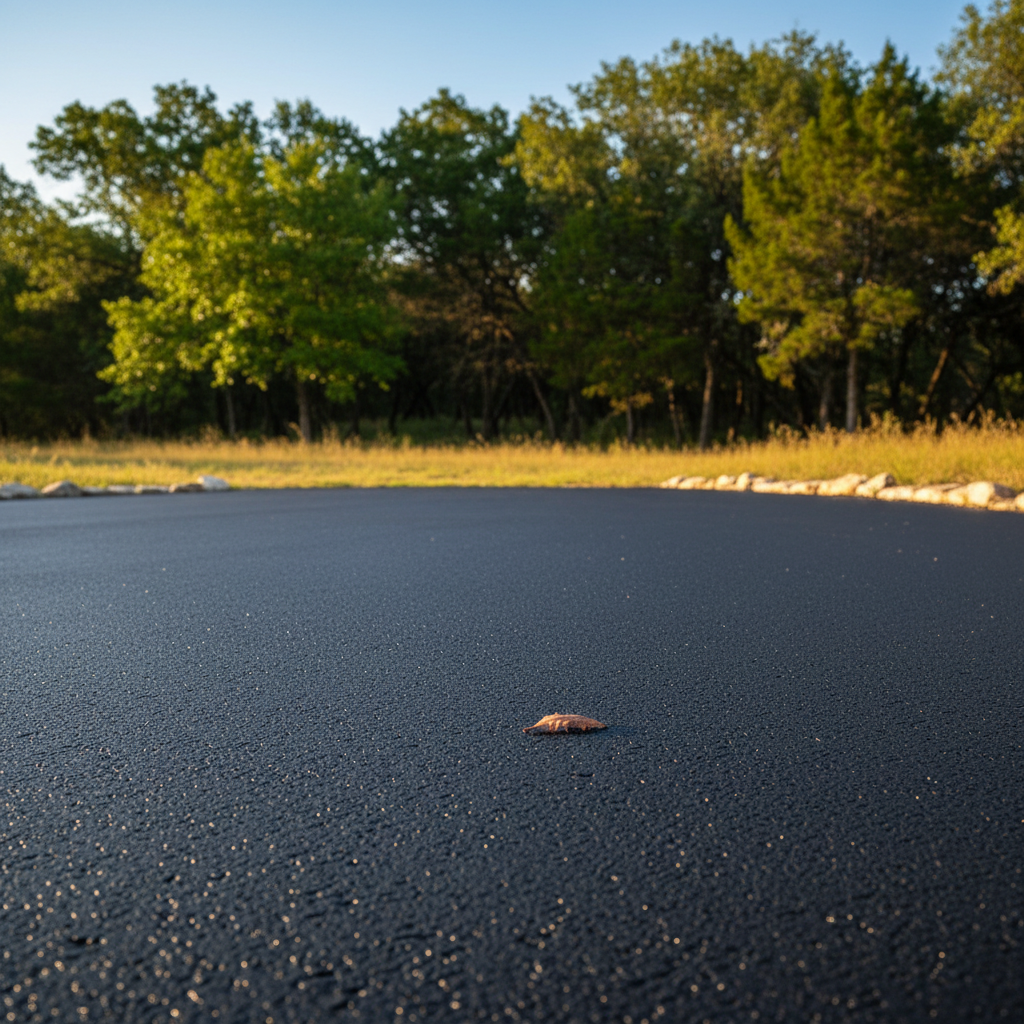
Do I really need to sealcoat my asphalt driveway?
Look, nobody's going to force you to sealcoat your driveway. But if you want that asphalt to last, especially with our Texas sun beating down on it year-round, then yeah, you really should. Think of sealcoating like sunscreen for your driveway. It protects the asphalt from UV rays, which are a major cause of cracking and deterioration. It also helps repel water, oil, and gas, which can break down the binder in the asphalt. Without that protection, your driveway's going to fade, get brittle, and start falling apart a lot faster than it should. It's an investment in extending the life of what you've already got.
How often should I sealcoat my driveway?
This is probably the most common question I get. Generally speaking, for a residential driveway around San Marcos, you're looking at every 2 to 3 years. Now, that's not a hard and fast rule. A brand new driveway, for example, usually shouldn't be sealed for at least 6 to 12 months after it's laid down. You want to give it time to cure properly. After that first application, factors like how much sun it gets, how much traffic it sees, and even the quality of the initial asphalt job can affect the schedule. If your driveway is shaded most of the day, you might stretch it a bit longer. If it's baking in the sun all day, or you've got heavy vehicles on it constantly, you might lean towards the shorter end of that 2-3 year window. We'll always take a look and give you an honest assessment.
What's the best time of year to get sealcoating done in San Marcos?
Timing is everything with sealcoating. You need consistent warm, dry weather for the material to cure right. That means typically spring or fall are your best bets here in San Marcos. We want daytime temperatures to be at least 50°F and rising, and no rain in the forecast for at least 24-48 hours after application. Trying to sealcoat in the dead of summer when it's 100°F and humid can cause issues with flashing or bubbling, and trying it in winter when it's too cold means it just won't cure properly, and you'll end up with a mess that doesn't last. So, while we can sometimes squeeze jobs in during mild stretches, those shoulder seasons are ideal.
How long does sealcoating take, and when can I drive on it?
The actual application of sealcoat on a typical residential driveway usually only takes a few hours, depending on the size and condition of the asphalt. But that's just the application. The crucial part is the curing time. You'll need to stay off your driveway for at least 24 hours, and sometimes up to 48 hours, especially if it's a bit cooler or more humid. We'll put up barricades and give you clear instructions. It's super important to respect that drying time. Driving on it too soon can cause tire marks, scuffs, and can even pull the fresh sealcoat right off, meaning you've wasted your money and we've got to come back and fix it. Patience is key here.
Will sealcoating fix cracks and potholes?
No, not really. This is a common misconception. Sealcoating is a protective layer, not a repair material. Think of it like painting over a hole in your wall – it doesn't fix the hole, it just covers it up. Before we apply any sealcoat, we'll always recommend fixing any existing cracks or potholes first. We'll clean them out, fill them with appropriate asphalt crack filler or patching material, and let those cure. Once the repairs are solid, then we can apply the sealcoat over everything. That's how you get a smooth, uniform, and long-lasting finish. Trying to sealcoat over significant damage is just a waste of time and money.
What kind of sealcoat do you use, and why?
At Valley Paving Co., we primarily use commercial-grade coal tar emulsion or asphalt emulsion sealers. We choose these because they offer superior protection and durability compared to some of the cheaper, diluted products you might find at a big box store. Coal tar emulsion is known for its excellent resistance to chemicals like oil and gas, and its ability to stand up to UV degradation. Asphalt emulsion is a bit more flexible and environmentally friendly, and it performs really well too. We assess your driveway's condition and exposure to recommend the best product for your specific situation. We're not just slapping on whatever's cheapest; we're using materials that are proven to work well in our Central Texas climate, especially with the expansive clay soils we often see around areas like the Blanco River basin, which can put extra stress on pavement.
Is sealcoating a DIY job or should I hire a pro?
You can certainly buy sealcoat at a hardware store and try to do it yourself. And for a tiny, perfectly square patch of asphalt, maybe you'd get away with it. But for an entire driveway, especially if it has any curves, slopes, or existing damage, it's really a job for pros. Getting an even application, properly cleaning and preparing the surface, dealing with repairs, and making sure the edges are clean takes experience and the right equipment. We've got industrial sprayers and squeegees that ensure a consistent, durable coat. Plus, we know how to handle the prep work, which is honestly 80% of a good sealcoating job. If you do it wrong, you'll end up with an uneven, peeling mess that looks worse than before and probably won't last. Save yourself the headache and let us handle it.