What's the difference between patching and repaving?
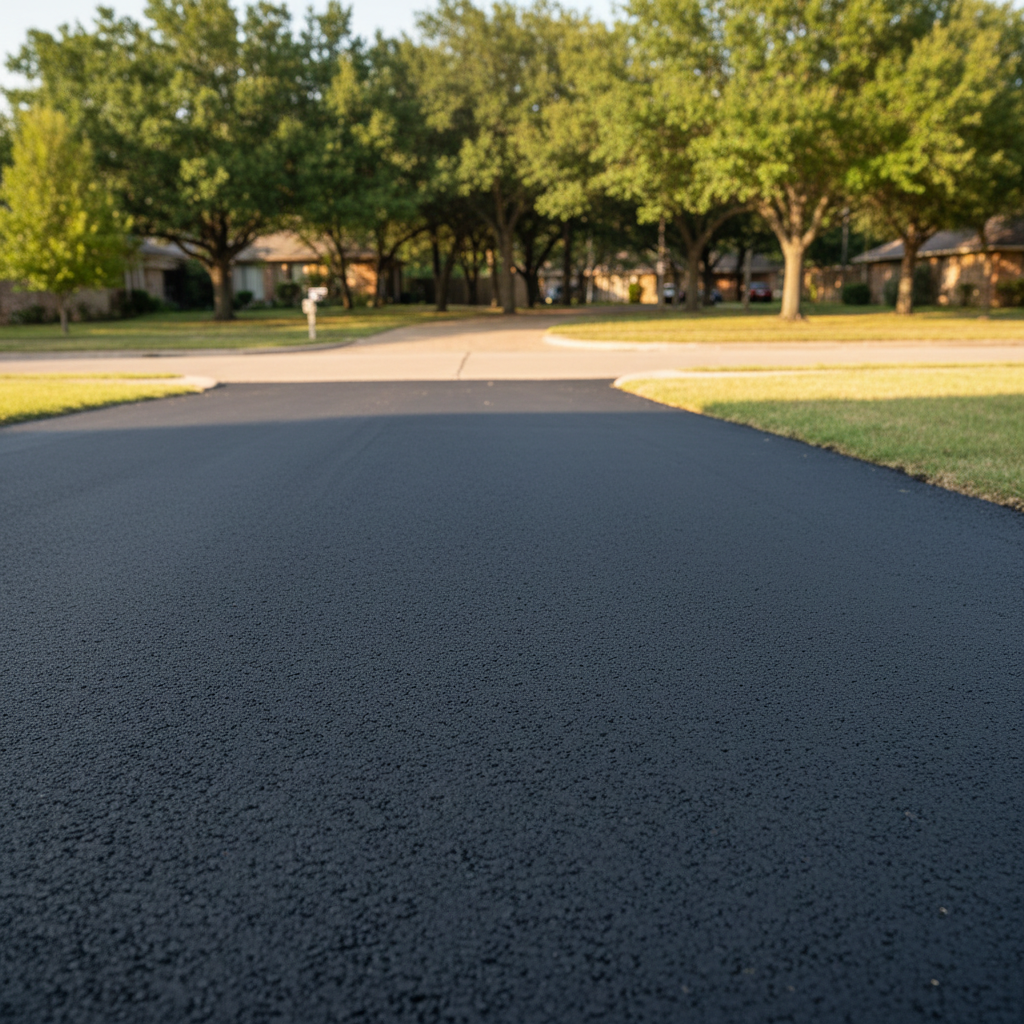
This is probably the most common question I get. Think of it like this: patching is fixing a specific problem area, like a pothole or a large crack. We cut out the bad section, clean it up, and fill it with new asphalt. It's a targeted repair. Repaving, on the other hand, is laying a whole new layer of asphalt over your existing, but still structurally sound, driveway. It's a bigger job, meant to give your entire driveway a fresh, smooth surface when it's showing widespread wear but isn't completely falling apart. If your driveway looks like Swiss cheese with potholes everywhere, patching might be a temporary fix, but repaving could be a better long-term solution.
When is patching the right choice for my driveway?
Patching is usually the right call when you've got isolated issues. Maybe you've got a few potholes that have formed over the winter, or some alligator cracking in a specific spot where water pools. It's also a good idea if you're trying to extend the life of your driveway without the full expense of a repave. If the base underneath your asphalt is still solid and the damage is just on the surface in a few areas, patching can be very effective. I often tell folks, if the majority of your driveway is still in decent shape, don't tear it all out for a few bad spots. Patch those problem areas and then consider a sealcoat to protect everything.
How long does an asphalt patch typically last?
That's a tough one to give a single answer for, because it really depends on a few things. First, the quality of the repair matters a lot. We make sure to properly cut, clean, and compact the new asphalt. Second, traffic. A patch on a rarely used side driveway will last longer than one on your main parking area where cars are constantly turning and stopping. Third, and this is big for us in San Marcos, the weather. Our Texas heat and sudden downpours can be tough on asphalt. If a patch is done right, you can expect it to hold up for several years, sometimes even 5-7 years, especially if you keep it sealed. But remember, it's a repair, not a brand new section of driveway, so it might not last as long as the original pavement did.
Can I just do a DIY patch with stuff from the hardware store?
You can, but I generally don't recommend it for anything more than a very small, temporary fix. Those cold patch products you buy in bags are okay for filling a tiny pothole in a pinch, but they're not designed for long-term durability, especially with our heavy clay soils around here that can shift. Professional patching uses hot mix asphalt, which is applied at high temperatures and compacted with heavy equipment. It bonds much better with the existing asphalt and creates a much stronger, more durable repair. If you're serious about fixing the problem and want it to last, call a pro. You'll save yourself time and frustration in the long run.
What causes potholes and cracks in the first place?
Most of the time, it comes down to water getting under your asphalt. When water seeps through small cracks, it weakens the base layer. Then, with traffic driving over it, that weakened base starts to give way, and the asphalt above it cracks and breaks apart, eventually forming a pothole. Our hot summers and then our occasional freezes in winter don't help either; that freeze-thaw cycle expands and contracts the ground, putting stress on the pavement. Poor drainage is a huge culprit too. If water sits on your driveway instead of running off, it's going to find a way in. That's why proper grading and drainage are so important when we install or repair asphalt.
How much does asphalt patching cost?
Again, it's not a one-size-fits-all answer. The cost depends on the size of the area needing repair, the depth of the damage, and the type of patching method we use. A small, shallow patch is obviously going to be less than a large, deep one that requires more material and labor. We typically charge by the square foot or by the job, depending on the scope. The best thing to do is have us come out and take a look. We'll give you a free, no-obligation estimate so you know exactly what to expect. At Valley Paving Co., we believe in transparent pricing, so there are no surprises.
When should I consider replacing my entire driveway instead of just patching?
You'll know it's time for a full replacement when patching just isn't cutting it anymore. If your driveway has widespread alligator cracking, significant heaving or sinking in multiple areas, or more potholes than smooth surface, you're probably throwing good money after bad by just patching. If the base layer is compromised throughout, or if the asphalt is so old and brittle that new patches just don't bond well, a full replacement is usually the more cost-effective long-term solution. It's a bigger investment upfront, but it gives you a fresh start with a driveway that will last for decades if properly maintained. We can help you assess your driveway's condition and give you an honest recommendation.